Travel Tips for Spain for a Safe Stay in 2026
23/04/2026
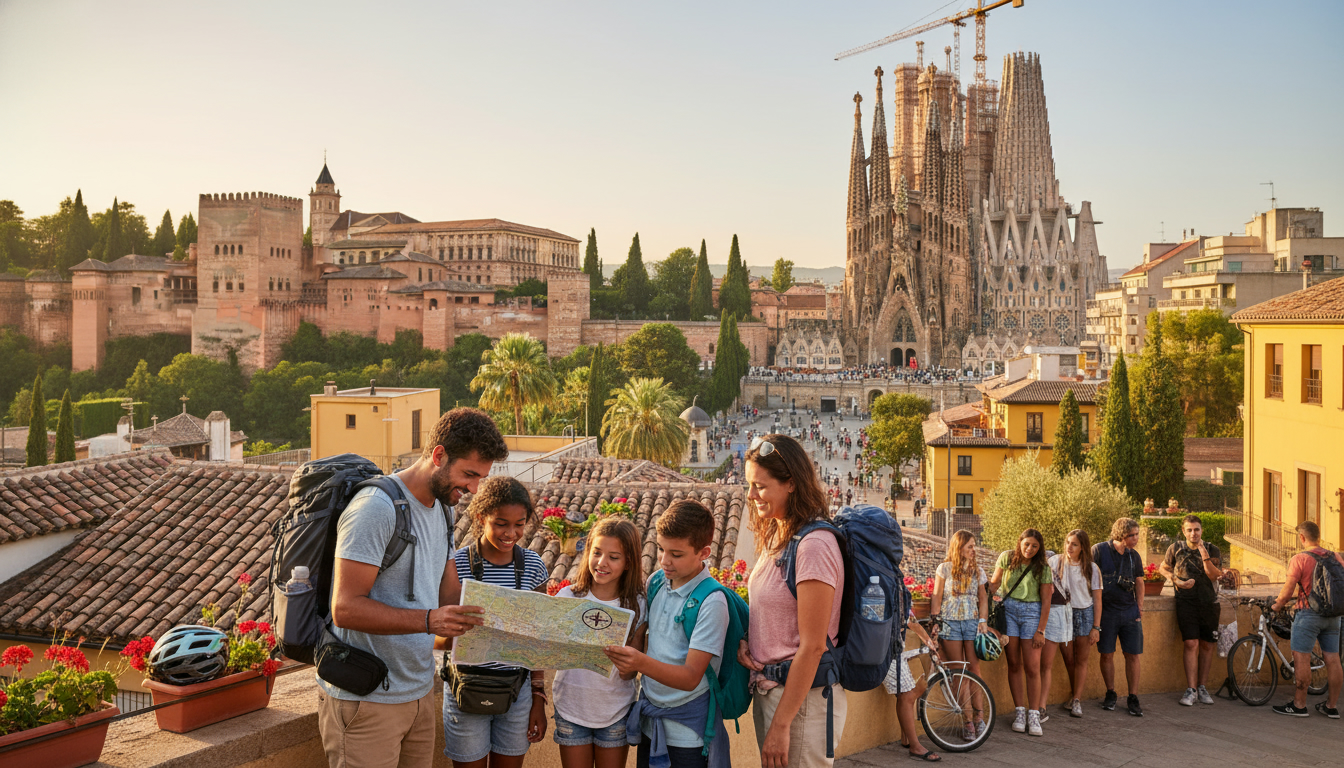
In short, what you will find in this article: travel tips for Spain to prepare your stay calmly. You will learn everything about formalities, safety, transportation, climate, culture, and tips to fully enjoy your trip.
1. Before You Leave
1.1 Documents, visas, and entry formalities
For a trip to Spain, it is essential to check that your passport or ID card is valid. European Union nationals do not need a visa, but travelers from outside the EU must check specific requirements. Also, remember to bring a copy of your important documents and avoid carrying too many valuables.
1.2 Travel insurance and health coverage
Taking out travel insurance is highly recommended to cover medical expenses and unforeseen events. Spain has a good healthcare system, but private care can be expensive. Insurance with repatriation included ensures peace of mind.
1.3 Vaccinations and travel medical kit
No mandatory vaccinations are required for Spain, but it is advised to be up to date on standard vaccines. Bring a first aid kit with basic medicines, especially for digestive issues and minor injuries.
1.4 Budget, payments, and currency exchange
The euro is the official currency. Favor card payments in shops and avoid withdrawing large amounts from ATMs, which are often targeted by pickpockets. Have some cash for small purchases and tips.
1.5 Packing preparations according to seasons and activities
The climate in Spain varies by region and season. Pack light clothing for summer and warm layers for winter, especially if visiting Andalusia or the mountains. Don’t forget comfortable shoes for sightseeing and a swimsuit for the Balearic beaches.
2. Safety and Health On Site
2.1 Emergency numbers and embassy contact
Keep the European emergency number 112 and your embassy's contacts handy. These resources are essential for quick help in medical or other emergencies.
2.2 Prevention of pickpocketing and common scams
Safety in Spain is generally good, but tourists are often targeted by pickpockets, especially in large cities like Barcelona and Madrid. Stay vigilant in busy tourist spots, avoid displaying valuables, and be cautious with suspicious ATMs.
2.3 Advice in case of medical emergency
If you have health issues, visit a pharmacy or medical center. Pharmacies are well distributed and staff can give useful advice. For serious emergencies, call 112.
3. Getting Around Spain
3.1 High-speed trains and bookings (Renfe)
The Spanish rail network, through Renfe, offers efficient high-speed trains between major cities. Book your tickets in advance for better rates and know the schedules.
3.2 Buses, domestic flights, and ferries to the islands
Buses serve rural areas and small towns well. Ferries and domestic flights to the Balearic and Canary Islands are frequent and convenient.
3.3 Car rental, driving rules, and tolls
Car rental in Spain is ideal for exploring less accessible areas. Follow local driving rules: 120 km/h speed limit on highways, tolls on certain roads (autopistas), and watch for speed cameras. The French driving license is recognized.
4. When to Go and Climate
4.1 Best periods by region
The best time to visit Spain depends on the region: spring and autumn are pleasant everywhere, while summer is hot, especially in Andalusia. The Balearics enjoy mild weather almost year-round.
4.2 Festivals, local celebrations, and periods to avoid
Enjoy numerous local festivities like the Seville Fair or San Fermín festivals. However, avoid peak tourist seasons for a quieter stay.
5. Culture, Behavior, and Language
5.1 Useful phrases in Spanish and Catalan/Basque/Galician
A few phrases in Spanish make communication easier, especially outside big cities. In some regions, Catalan, Basque, or Galician are also spoken.
5.2 Siesta, meal times, and customs
Respect the siesta between 2 pm and 5 pm, when many shops close. Meals are later than in France, with lunch around 2 pm and dinner after 9 pm.
6. Food and Drink
6.1 Food safety, allergies, and tap water
Tap water is drinkable in most regions. Be cautious with allergies and prefer recommended restaurants to avoid issues.
6.2 Tips and local customs
Tipping isn’t mandatory but appreciated, usually 5 to 10% in restaurants. Tapas are an excellent way to discover local cuisine.
7. Must-See and Alternative Destinations
7.1 Main cities (Madrid, Barcelona, Seville)
Madrid, Barcelona, and Seville offer rich cultural heritage and diverse activities. Each has its unique atmosphere to explore.
7.2 Islands and beaches (Balearic, Canary Islands)
The Balearic and Canary Islands attract with their beaches and mild climate. Ideal for a seaside stay.
7.3 Off-the-beaten-path itineraries
Explore less touristy regions for an authentic experience, like Galicia or Extremadura.
8. Additional Practical Tips
8.1 eSIM, local SIM card, and connectivity
To stay connected, choose a local SIM card or an eSIM, handy to avoid roaming charges.
8.2 Sustainable travel and eco-friendly recommendations
Favor public transportation and eco-friendly lodgings for a reduced environmental impact.
8.3 Traveling with pets / accessibility
Check specific rules for traveling with animals and available accessibility facilities.
9. Departure Checklist and FAQ
Before you leave, verify:
- Validity of documents (passport, visa)
- Travel insurance subscribed
- Vaccinations up to date and medical kit ready
- Budget and secure payment methods
- Luggage adapted to season and activities
10. Useful Resources
For more details, consult official safety advice in Spain provided by Allianz Travel Insurance and the practical checklist from Europ Assistance.
For family-friendly accommodation, check out our recommendations on the family room hotel for 6 people and an additional option on the family room hotel for 6 people 2.
11. Conclusion
By following these travel tips for Spain, you will be well prepared for a safe and enjoyable stay. Don’t forget to check your documents, stay alert to pickpockets, and fully enjoy Spain’s cultural and natural richness. For a welcoming lodging experience, explore our participative hosting solutions.

Marine Lefèvre
Passionnée par le tourisme alternatif et l'hébergement chez l'habitant, je m'intéresse depuis plusieurs années aux échanges authentiques entre voyageurs et hôtes. Forte d'une expérience concrète dans la mise en relation et l'accueil participatif, j'accompagne aussi bien les visiteurs que les particuliers qui souhaitent offrir une chambre ou un logement. Mon expertise me permet de dédramatiser les démarches administratives et de clarifier les attentes pour une cohabitation harmonieuse. Sur BienvenueChezNous, je partage des conseils pratiques et des retours d'expérience pour guider chacun vers une immersion conviviale et réussie, tout en apportant des réponses simples et accessibles.