Cape Verde Travel Tips to Prepare Your 2026 Trip
09/04/2026
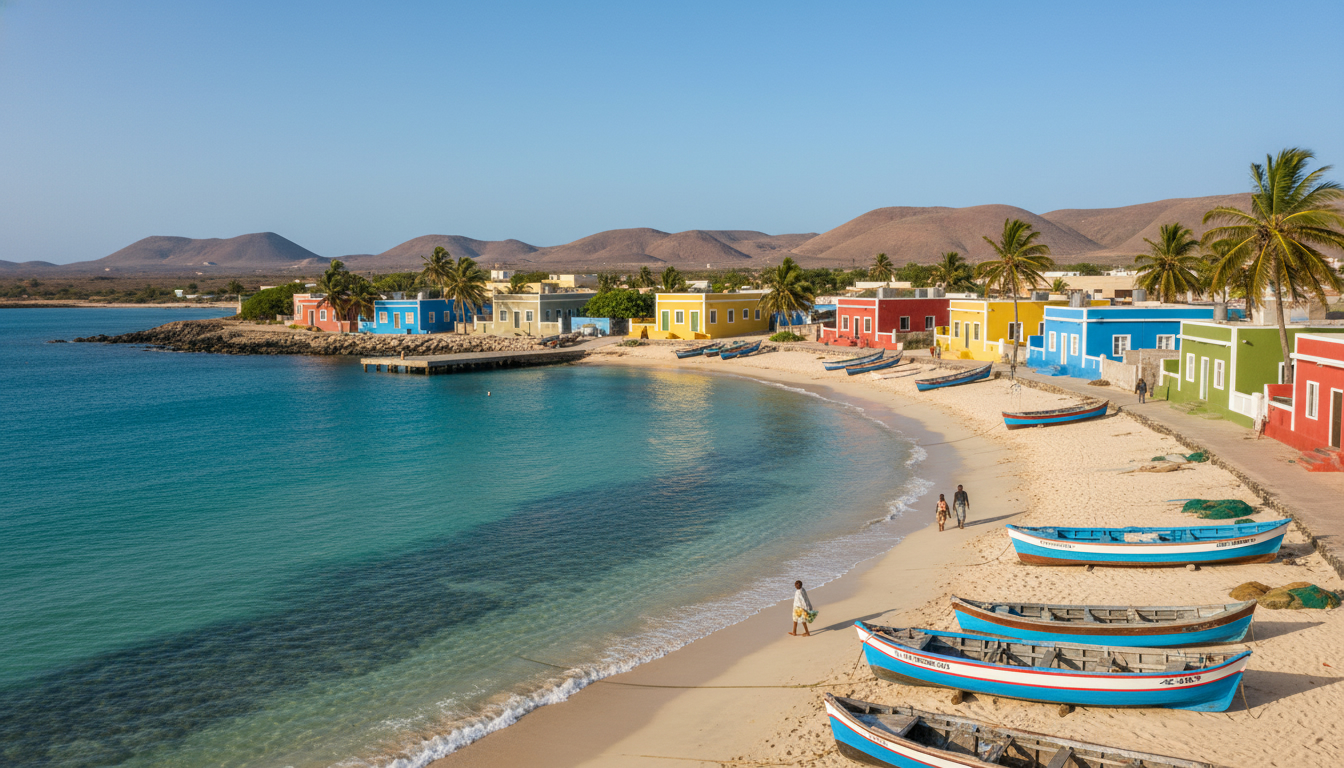
In short, what you will find in this article: practical and reliable tips to prepare your trip to Cape Verde safely. Formalities, health, climate, transport, budget, safety, and local tips are covered for a smooth and successful stay.
1. Before You Go — Formalities and Documents
1.1 Passport, Visa, and Required Validity
To travel to Cape Verde, a passport valid for at least six months after your return date is mandatory. Depending on your nationality, a visa may be required, often obtained online or upon arrival. It is essential to check specific conditions before departure to avoid any issues.
1.2 Travel Insurance, Repatriation, and Recommended Options
Taking out travel insurance covering medical expenses, repatriation, and lost luggage is highly recommended. The local health system may require repatriation in case of serious emergency. Choose insurance suited to your profile and planned activities.
1.3 Copies of Documents and Digital Tools (Backup, Useful Apps)
Before leaving, make digital and paper copies of your important documents: passport, visa, insurance, tickets. Use secure applications to store these files for easy access in case of loss or theft.
2. Health and Prevention
2.1 Recommended Vaccines and Malaria Prevention
The recommended vaccines for Cape Verde include hepatitis A and B, typhoid, and yellow fever if you come from a risk area. Malaria is rare, but mosquito protection remains essential, especially in the evening.
2.2 First Aid Kit and Medications to Bring
Prepare a kit with medicines for pain, fever, digestive issues, as well as antiseptics and bandages. Also bring personal medications and effective repellents.
2.3 Access to Healthcare and Emergency Advice
Medical facilities are adequate in major cities and tourist areas but limited in rural zones. In case of emergency, contact local services or your embassy immediately. Health insurance will ease the process.
3. Climate and Best Time to Travel
3.1 Dry Season vs Rainy Season, Cyclone Risks
Cape Verde enjoys a dry tropical climate. The dry season (November to July) is ideal for travel, while the rainy season (August to October) may bring showers and cyclone risks.
3.2 Climate Variations by Island
Some islands like Santiago and Fogo are more mountainous and humid, while Sal and Boa Vista are drier and sunnier. Adjust your gear based on your itinerary.
4. Getting Around Cape Verde
4.1 International Flights and Tips to Find the Best Fares
International flights mainly arrive at Praia (Santiago) or Sal. To get the best prices, book several weeks in advance and compare offers on specialized platforms.
4.2 Inter-Island Transport (Airlines, Ferries) — Schedules and Bookings
Island transfers are by plane or ferry. Local companies offer regular flights, but schedules may vary. Book early and check weather conditions.
4.3 Local Transport: Taxis, Aluguer, Car Rental, and Road Safety
On site, taxis and aluguer (shared minibuses) are common. Renting a car is recommended for more independence. Drive carefully on often narrow and winding roads.
5. Money and Budget
5.1 Currency (Cape Verdean escudo), Card vs Cash Payments
The local currency is the Cape Verdean escudo. Credit cards are accepted in major cities, but it is advisable to carry cash for small shops and rural areas.
5.2 ATMs, Bank Fees, and Tips for Currency Exchange
ATMs are available in main towns. Prepare for international bank fees and exchange money at official offices to avoid scams.
5.3 Estimated Budget by Type of Trip
Budget varies by travel style: economical with homestays, or more comfortable with hotels and activities. Expect around €40 to €70 per day for a standard stay.
6. Accommodation — Where to Stay Based on Your Profile
6.1 Recommended Zones by Island (Beach, City, Mountains)
Tourist areas like Santa Maria (Sal) and Praia (Santiago) offer a wide range of accommodations. For nature lovers, the mountains of Fogo are ideal. Choose according to your preferences and budget.
6.2 Booking Tips and How to Avoid Bad Surprises
Book in advance, favor verified reviews, and ask for written confirmations. For an authentic experience, homestays are an excellent option, discoverable on Bienvenue Chez Nous.
7. Recommended Activities and Itineraries
7.1 Diving, Kitesurfing, Hiking (e.g., Pico do Fogo), Cultural Tours
Cape Verde is known for water sports, hikes like the climb to Pico do Fogo, and rich cultural heritage. Consider your physical condition and safety during excursions.
7.2 Suggested Itineraries: 7, 10, and 14 Days
For a first trip, a 7 to 14-day itinerary allows discovery of several islands and activities, combining beaches, nature, and culture.
8. Culture, Language, and Good Practices
8.1 Language(s), Local Customs, and Etiquette
Portuguese is the official language, but Cape Verdean Creole is widely spoken. Respect local customs, politeness, and traditions for a warm welcome.
8.2 Dress Code, Photography, and Respect for Communities
Wear appropriate clothing, especially in rural and religious areas. Always ask permission before photographing people.
9. Safety and Scams to Be Aware Of
9.1 Common Risks and Practical Tips (Concrete Examples)
Safety in Cape Verde requires vigilance: avoid walking alone at night, don’t display valuables, use official taxis, and travel in groups after dark. If snatched, don’t resist and report immediately to the police. These tips are essential for a stress-free stay (France Diplomatie).
9.2 Emergency Numbers, Embassies, and Procedures in Case of Problems
Note local emergency numbers and your embassy’s address. In case of incident, contact authorities and your insurance promptly.
10. Practical Tips On Site
10.1 Electricity, Adapters, Drinking Water, and Food Safety
Electricity is 220V, European plugs. Tap water is not always potable; prefer bottled water. Be cautious with street food to avoid digestive issues.
10.2 Telecommunications: SIM Cards, Data Roaming, and Wi‑Fi Access
Buy a local SIM card for affordable internet access. Wi‑Fi is available in hotels and cafés, but coverage can be spotty outside urban areas.
11. Sustainable Tourism and Environmental Respect
11.1 Best Practices to Reduce Your Impact
Respect nature, don’t litter, and choose eco-friendly tours and accommodations.
11.2 Local Initiatives to Support and Eco-Friendly Accommodations
Support local conservation projects and select accommodations engaged in sustainable tourism.
12. Conclusion
Preparing your trip with reliable cape verde travel tips helps avoid unpleasant surprises and fully enjoy this unique destination. Formalities, health, safety, and practical advice are keys to a successful stay. To deepen your preparation, don’t hesitate to consult specialized guides and get appropriate insurance. Have a great trip!

Marine Lefèvre
Passionnée par le tourisme alternatif et l'hébergement chez l'habitant, je m'intéresse depuis plusieurs années aux échanges authentiques entre voyageurs et hôtes. Forte d'une expérience concrète dans la mise en relation et l'accueil participatif, j'accompagne aussi bien les visiteurs que les particuliers qui souhaitent offrir une chambre ou un logement. Mon expertise me permet de dédramatiser les démarches administratives et de clarifier les attentes pour une cohabitation harmonieuse. Sur BienvenueChezNous, je partage des conseils pratiques et des retours d'expérience pour guider chacun vers une immersion conviviale et réussie, tout en apportant des réponses simples et accessibles.